Starting life with new dentures or partials is a big step toward a healthier, more confident smile. But like any adjustment, the first few weeks take some patience. Your mouth needs time to adapt, and so do your muscles, speech, and daily routine.
The good news? With the right approach, most patients settle into their new appliance comfortably and quickly. This guide walks you through everything — from the first 48 hours to your long-term care routine — so you know exactly what to expect.
The First 48 Hours: What to Do Right Away
The way you care for your denture in the first two days sets the stage for a smoother adjustment overall.
Keep the appliance in. Your dentist will likely ask you to wear your denture or partial continuously during this initial period, removing it only briefly to clean. If your denture was placed right after extractions, it also acts as a bandage — helping to control bleeding and reduce swelling.
Manage swelling with ice. If you had teeth removed, apply an ice pack to your cheek in 20-minute intervals during the first day. This helps reduce swelling and keeps discomfort manageable.
Control any bleeding. Bite gently on the gauze your dentist provided, holding it in place for about 20 minutes at a time. Some light bleeding after extraction is normal and should slow down with consistent pressure.
Eating and Speaking: Take It One Step at a Time
Start with soft foods
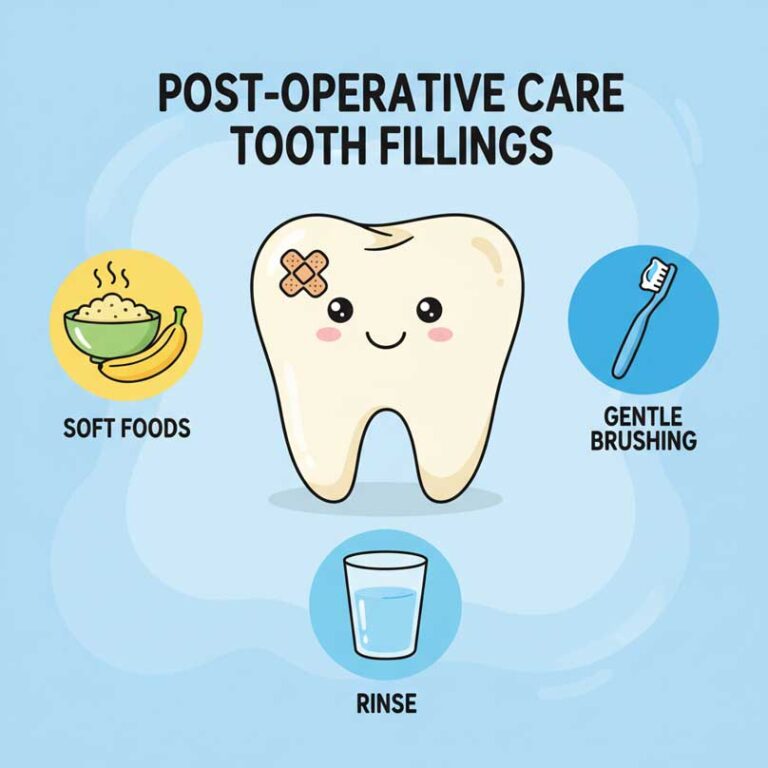
For the first several days, stick to soft, non-sticky foods — think yogurt, mashed potatoes, scrambled eggs, and smoothies. Your mouth is still getting used to the appliance, and soft foods put less pressure on your gums while they settle.
When you move to more regular foods, cut them into small pieces and chew slowly on both sides of your mouth at the same time. This keeps the denture balanced and prevents it from tipping or shifting.
What to avoid: Hard, crunchy, or sticky foods can dislodge or damage your appliance, especially early on. Hold off on things like popcorn, hard candy, crusty bread, and chewing gum until your mouth has fully adjusted.
Give yourself time with speech
You may notice more saliva than usual in the first few days, and some words might feel tricky to pronounce. This is completely normal. Your tongue and facial muscles are learning to work around a new surface.
A simple fix: practice reading out loud or talking to yourself at home. Most patients find that their speech normalizes within a week or two.
Daily Cleaning: Protecting Your Appliance and Your Gums
Keeping your denture clean is essential — not just for hygiene, but to protect both the appliance and the soft tissue underneath.
Skip the regular toothpaste. Standard toothpaste contains abrasives that can scratch acrylic and metal surfaces over time. Use a dedicated denture brush with a mild liquid dish soap or a denture-specific cleaner instead.
Clean over a soft surface. Hold your denture over a folded washcloth or a sink filled with water when cleaning. Dentures break easily if dropped, and this small habit can save you an unexpected replacement.
Don’t forget your mouth. Even without all your natural teeth, your gums, tongue, and the roof of your mouth need daily attention. Use a soft-bristled toothbrush to gently clean these areas every day. If you have remaining natural teeth, brush and floss them as usual — they are especially important to protect when you have a partial.

Overnight Care: Give Your Gums a Rest
Your mouth needs a break from the appliance just as much as you need rest at the end of the day. Remove your denture or partial every night to allow your gum tissue to recover.
Store it properly. Keep the appliance submerged in water or a commercial denture-soaking solution while you sleep. Acrylic and flexible materials can warp or crack if they dry out, and a warped denture will no longer fit correctly.
When to Call Your Dentist
Some soreness in the first few weeks is expected. As your gums adjust to the appliance, pressure points and sore spots can develop. Do not try to adjust the denture yourself. A quick appointment with your dentist is all it takes to fine-tune the fit and relieve the discomfort.
Make sure to attend all scheduled follow-up visits. These appointments let your dentist check how your gums are healing and make any small adjustments before minor issues become bigger ones.
Your Next Step Starts Here
Adjusting to dentures takes a little time, but you do not have to figure it out alone. The team at Keep Smiling El Paso is here to guide you through every stage — from your first fitting to your follow-up care.
Keep Smiling El Paso
2281 N Zaragoza Rd Ste 102, El Paso, TX 79938
Call Us: (915) 209-7308
Schedule your appointment today and take the next step toward a smile that feels as good as it looks.