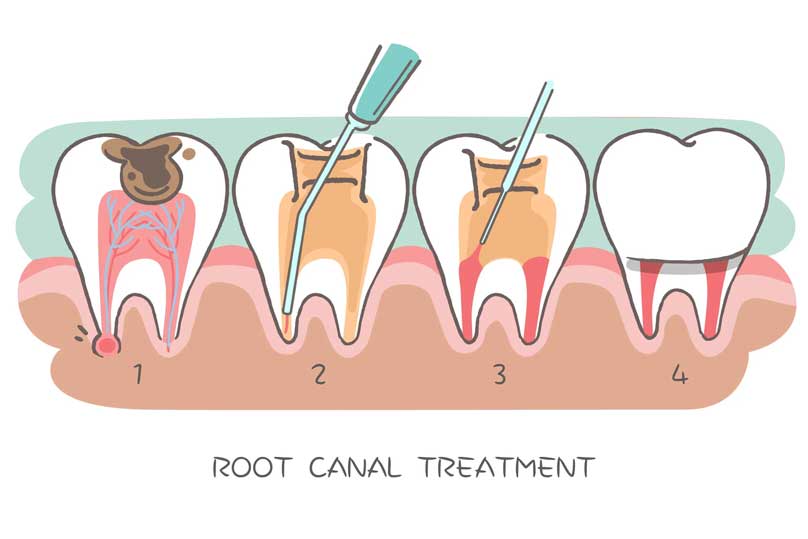
You have just taken a significant step toward saving your natural tooth and relieving pain by undergoing root canal therapy at Keep Smiling El Paso. This common procedure removes infection from inside a tooth, preventing further complications and restoring your oral health. Now that the treatment is underway, proper aftercare is essential for a smooth and comfortable recovery.
This guide will walk you through everything you need to know about caring for your tooth after a root canal appointment. Following these instructions carefully will help manage discomfort, protect your tooth, and ensure the best possible long-term outcome.
Immediately After Your Appointment
Root canal therapy often involves the use of local anesthetic to ensure you remain comfortable during the procedure. After your appointment, you can expect your lips, teeth, and tongue on the treated side to remain numb for several hours. It is very important to avoid any chewing on that side until the numbness has completely worn off. This prevents you from accidentally biting your cheek, lip, or tongue.
Caring for Your Temporary Filling or Crown
Root canal therapy can take one or two appointments to complete. To protect the treated tooth between visits, your dentist has placed a temporary filling or crown over it. This temporary restoration is not as strong as a permanent one, so it requires some special care.
It’s common for a small portion of your temporary filling to wear away or even break off. This is generally not a problem. However, if the entire filling falls out or the temporary crown comes completely off, please call our office right away so we can replace it. Leaving the underlying tooth exposed can lead to contamination or damage.
To protect the tooth and help keep your temporary restoration in place, please follow these simple rules:
- Avoid Sticky Foods: Chewing sticky foods, especially gum, can pull the temporary filling or crown off the tooth.
- Avoid Hard Foods: Do not bite down on hard substances like ice, hard candy, nuts, or even non-food items like fingernails and pencils. This can fracture the temporary or the tooth itself.
- Chew on the Opposite Side: If possible, do all your chewing on the opposite side of your mouth to minimize pressure on the treated tooth.
Managing Discomfort and Tenderness
It is completely normal to experience some discomfort for several days after a root canal appointment, particularly when chewing. Even if you had no pain before the procedure, it’s common for the tooth and surrounding area to have a dull ache as it heals. This tenderness is normal and no cause for alarm, and it should gradually subside within a few days, though it can sometimes last for a few weeks.
To control discomfort, you can take pain medication as recommended by your dentist.
- Prescription Medication: If your dentist prescribed pain medication, take it exactly as directed.
- Over-the-Counter Options: If you were not prescribed pain medication, we recommend taking an over-the-counter anti-inflammatory like ibuprofen (Motrin, Advil) or naproxen (Aleve). These can be very effective at managing post-procedure soreness.
- Antibiotics: If antibiotics were prescribed to fight the infection, you must continue to take them for the full indicated length of time. Do not stop taking them early, even if all your symptoms are gone.
Should you experience severe pain that cannot be controlled with these medications, or if you notice any swelling, please call our office immediately.
Oral Hygiene and Home Care Tips
Good oral hygiene is crucial during your recovery. It helps keep the area clean and promotes faster healing.
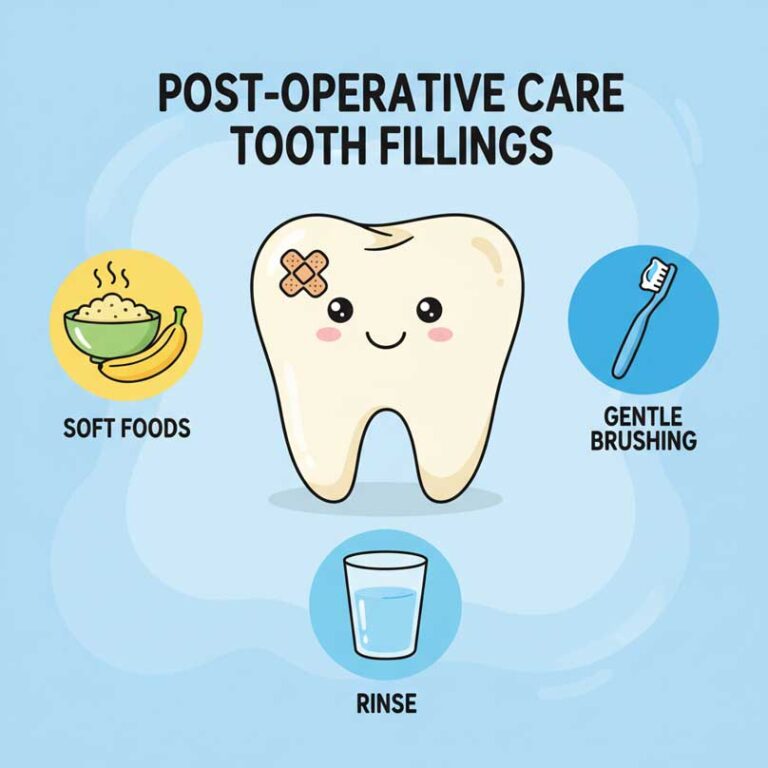
- Brushing and Flossing: Continue to brush and floss normally, but be gentle around the treated tooth. Clean the area carefully to prevent plaque buildup without dislodging the temporary restoration.
- Warm Salt Water Rinses: To further reduce discomfort and swelling, you can rinse your mouth three times a day with warm salt water. Simply dissolve one teaspoon of salt in a cup of warm water, then swish the solution gently around the tooth for 30 seconds before spitting it out.
The Final Step: Placing a Permanent Crown
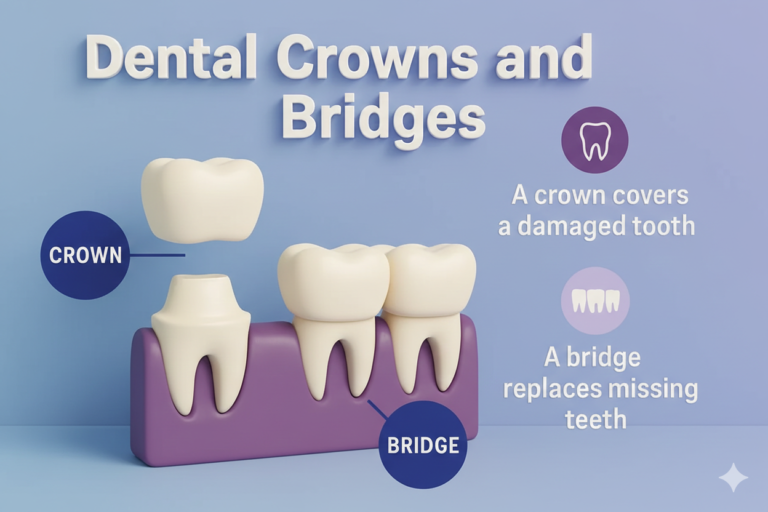
After your root canal therapy is complete, the final and most critical step is the placement of a permanent crown on the tooth. A tooth that has had a root canal is no longer vital and can become brittle over time, making it prone to fracture. A crown is a protective cap that covers the entire tooth, strengthening it and restoring its full function.
Unless your dentist has specifically told you otherwise, it is critical to have this crown placed on your root canal-treated tooth as soon as possible. Delaying this final restoration puts the tooth at risk. A fracture could lead to the need for extraction, which would mean losing the tooth you just worked to save.
If you notice that your bite feels uneven after the temporary or permanent restoration is placed, if you have persistent pain, or if you have any other questions or concerns, please do not hesitate to call our Keep Smiling El Paso office. We are here to support you throughout your recovery.