Congratulations on taking a significant step toward restoring your smile with dental implant surgery! At Keep Smiling El Paso, we are delighted to be part of your journey to better oral health. Now that the procedure is finished, your body begins the important work of healing. The long-term success of your new implant greatly depends on the care you provide in the coming days and weeks.
It is perfectly normal to have questions about what to do next. To help you feel confident and comfortable, we have created this easy-to-read guide based on our post-operative instructions. Following these tips will help ensure your recovery is smooth, successful, and stress-free.
Immediate Post-Op Care: The First Day
The first few hours after your surgery are the most critical for proper healing. A blood clot needs to form at the surgical site to act as a natural bandage. Protecting this clot is your top priority. For the rest of the day, please follow these simple but essential rules:
- Do not spit. The pressure from spitting can dislodge the blood clot. Instead, gently wipe your mouth with a tissue or simply swallow your saliva.
- Do not use a straw. The suction from drinking through a straw is strong enough to disrupt the healing site. Drink all liquids directly from a cup.
- Do not smoke. Smoking severely hinders the healing process, increases the risk of infection, and can lead to implant failure.
- Keep your tongue and fingers away. It’s natural to be curious, but poking or prodding the area can introduce bacteria and cause irritation or bleeding.
Managing Bleeding and Swelling
It’s common to experience some side effects after surgery. Knowing what to expect makes them much easier to manage.
Bleeding: Some minor bleeding or oozing is completely normal and should subside within an hour or two. To control this, keep the gauze pack we gave you on the surgical area, biting down with firm pressure for about 30–45 minutes. If bleeding continues, you can repeat this with a fresh piece of gauze. If you experience heavy or persistent bleeding, please call our office.
Swelling: Swelling is the body’s natural response to any surgery. It can range from mild to severe and usually peaks 24 to 48 hours after the procedure before it starts to fade. You might also see some bruising on your face. Applying an ice pack to your cheek near the surgical site for 20 minutes on, then 20 minutes off, can help reduce swelling and provide comfort.
Diet, Hygiene, and Medications
Proper nutrition and a clean mouth are vital for a speedy recovery.
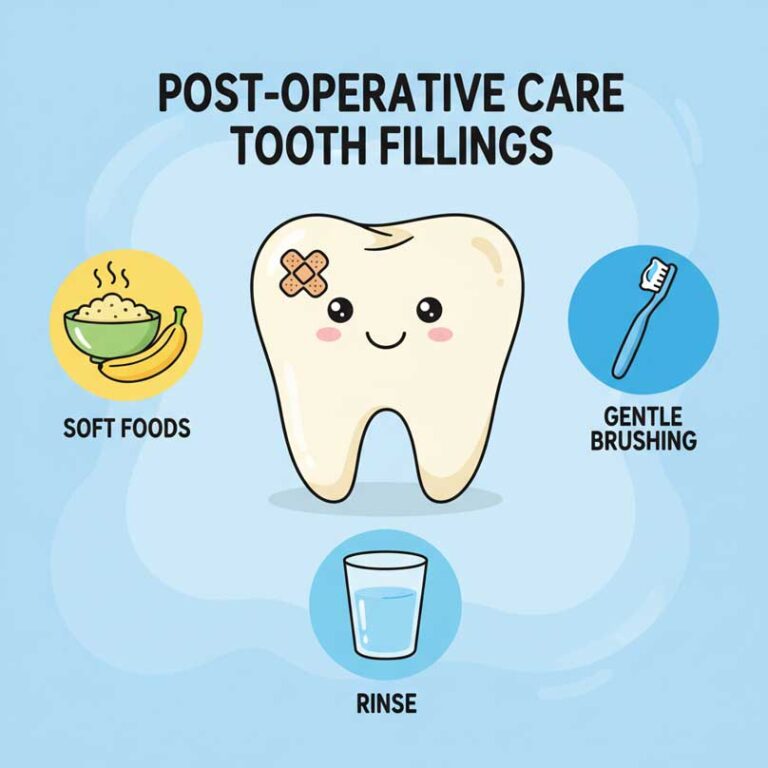
What to Eat: As soon as the local anesthetic wears off, you can start with soft, non-abrasive foods. Mashed potatoes, pasta, cottage cheese, soup, and scrambled eggs are all excellent choices. You can gradually return to your regular diet as you feel comfortable, but be sure to avoid chewing directly on the implant sites for a while.
Oral Hygiene: Keeping your mouth clean is crucial for preventing infection. Starting the day after your surgery, you can begin rinsing very gently with a warm salt water solution (one teaspoon of salt dissolved in eight ounces of warm water). You may brush your teeth as you normally would, but be extremely careful near the surgical sites.
Medications: You were likely given prescriptions to help manage your recovery. Please take all medications exactly as directed.
- Antibiotics: If prescribed, finish the entire course until the bottle is empty, even if you feel better.
- Pain Medicine: For the first 24 hours, taking your prescribed pain medication on a schedule (e.g., every 4–6 hours) is effective. Remember that narcotic medication can cause drowsiness, so do not drive or operate machinery. As your discomfort lessens, you can switch to over-the-counter options like Tylenol® or ibuprofen.
Your Healing Journey: What to Expect
Many patients have questions about what happens next in the healing process.
Sutures and Bone Grafts: Unless we instructed you otherwise, your sutures are dissolvable and will fall out on their own, usually within 4 to 10 days. If a bone graft was placed with your implant, you might notice some gritty material in your mouth. This is normal and should go away in a day or two.
Will I See My Implant? Sometimes, yes. If the implant was very stable when placed, your surgeon might attach a small metal post that you can see. In other cases, the implant is left to heal under the gums and will be uncovered in a later procedure. Both methods are standard and are chosen based on your specific needs.
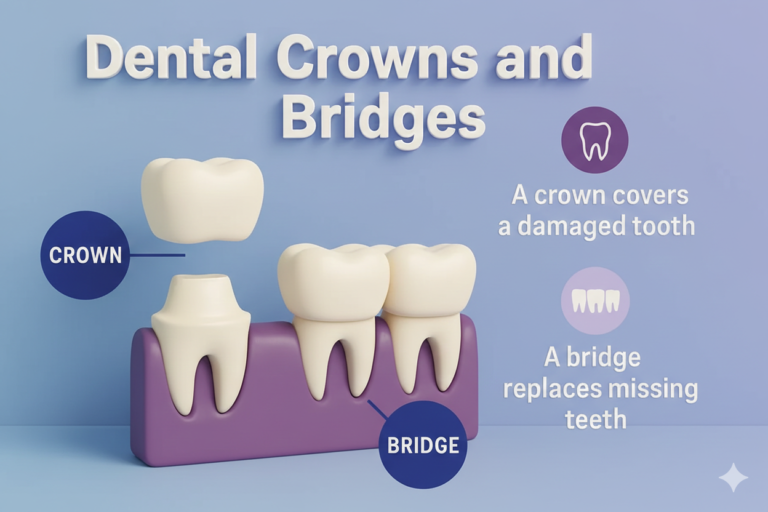
When Do I Get My Crown? The final crown can only be attached after the implant has fully fused with your jawbone. This process is called osseointegration. The healing time varies for everyone. Your surgeon will discuss your specific timeline with you.
Returning to Your Normal Activities
Rest is an important part of healing. Once you are no longer taking narcotic pain medication, you can slowly resume your normal routine. Listen to your body and ease back into exercise and other activities gradually over several days.
We Are Here to Help You Keep Smiling
Following these instructions closely is the best way to ensure you heal quickly and comfortably. At Keep Smiling El Paso, your health and well-being are our top priorities. If you have any questions, experience severe nausea, or have any concerns about your recovery, please don’t hesitate to contact our office. We are here to support you every step of the way.