Getting a dental crown or bridge at Keep Smiling El Paso is an excellent investment in your oral health and the beauty of your smile. The procedure is only the beginning; your commitment to proper aftercare is what ensures a successful and long-lasting result. Good home care protects your temporary restoration and sets the stage for a perfect fit with your permanent one.
This comprehensive guide will provide you with all the necessary post-operative instructions. We will cover the importance of your temporary restoration, what you can eat, how to maintain oral hygiene, and what to do about any sensitivity you might experience.
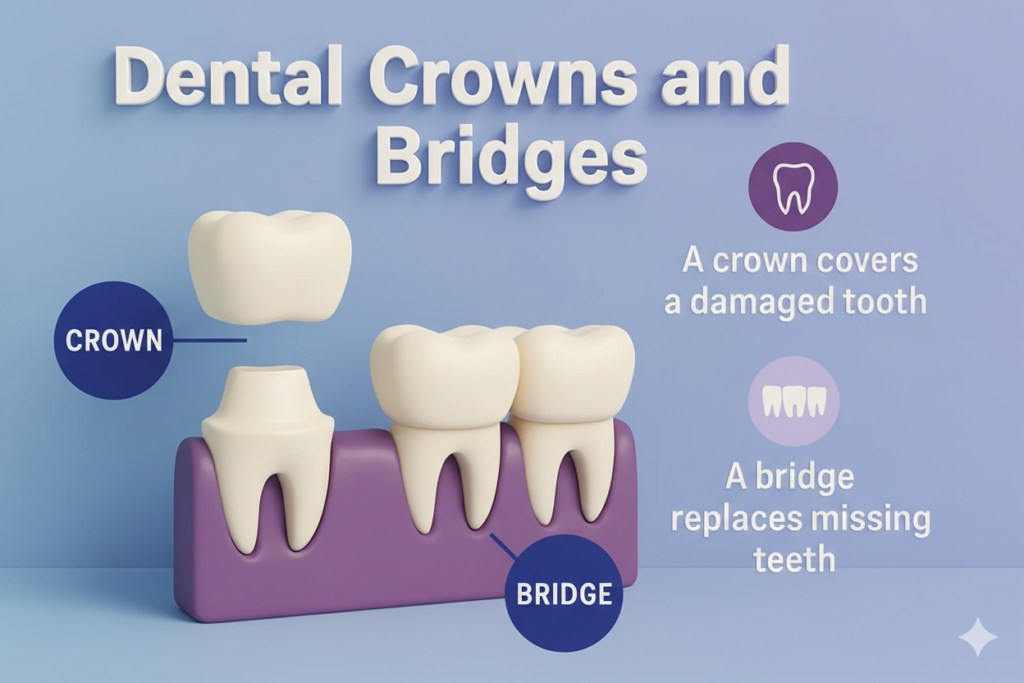
Understanding Your Temporary Restoration
After we prepare your tooth for its final crown or bridge, we place a temporary restoration. This temporary piece is more than just a stand-in; it plays a vital protective role. It shields the prepared, and often sensitive, tooth from temperature changes and bacteria. It also acts as a space-holder, preventing adjacent teeth from drifting into the gap. This is crucial for ensuring your custom-made permanent restoration fits precisely.
Following your procedure, it is normal for your tongue, lips, and the roof of your mouth to be numb from the local anesthetic. To prevent accidental injury, please avoid eating and drinking hot beverages until the numbness has completely subsided. This will help you avoid biting your cheek or tongue and prevent burns.
Your Diet for the First 24 Hours
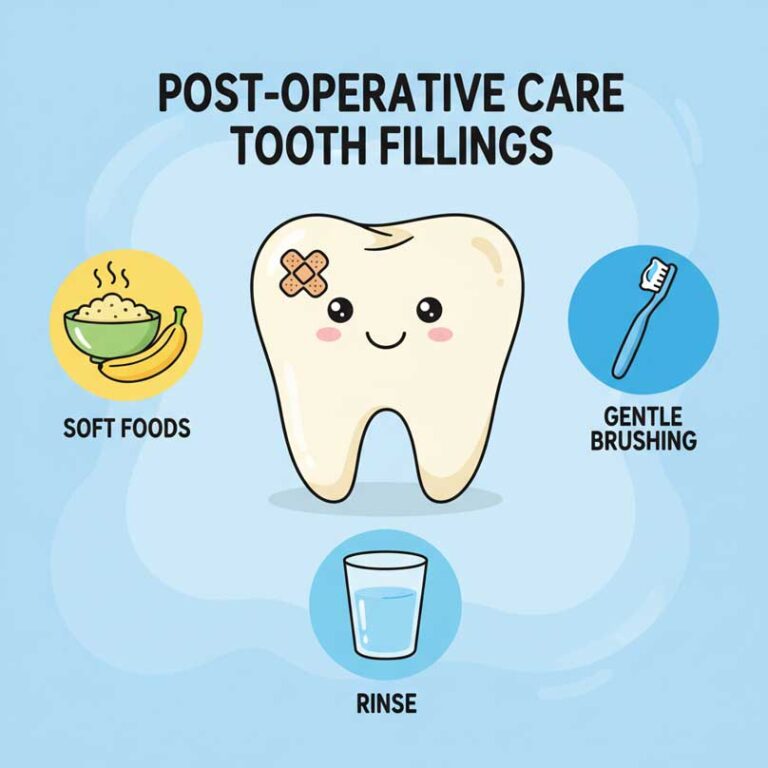
For the first day after your appointment, it is essential to stick to a diet of soft foods. Your temporary crown or bridge is secured with temporary cement, which is not as strong as the permanent adhesive. Hard, crunchy, or sticky foods can easily damage or dislodge the temporary restoration.
To help you out, here is a list of safe and satisfying food options:
- Jell-O
- Applesauce
- Greek Yogurt
- Scrambled Eggs
- Mashed Potatoes
- Oatmeal
- Cooled Soup
- Macaroni & Cheese
- Ice Cream
- Pudding
- Finely Chopped Chicken
- Ground Beef
If your temporary crown is on a front tooth, you will need to be extra cautious. Avoid biting directly into foods like apples or sandwiches. Instead, cut your food into small, manageable pieces and use your back teeth for chewing. This reduces the pressure on the temporary and minimizes the risk of it coming loose.
Maintaining Oral Hygiene with Care
Keeping your mouth clean is as important as ever, but you will need to adjust your flossing technique while you have a temporary restoration. You should continue to brush regularly, being gentle around the treated area.
When it comes to flossing, the key is to avoid pulling the floss upward, which can catch the edge of the temporary and lift it off. Instead, follow this simple method: gently guide the floss down between the teeth, and then, rather than pulling it back up, slide it out through the side. This technique effectively cleans the area without disturbing the temporary crown.
What to Do If Your Temporary Comes Loose
Your temporary crown is essential for protecting your tooth and maintaining the proper spacing for your permanent restoration. If it becomes damaged, loose, or falls off, it is important to contact our office.
Do not try to reattach it yourself with household glues or adhesives. We need to recement or repair it professionally to ensure your tooth remains protected and to prevent other teeth from shifting. If teeth move, your final crown or bridge may not fit, which could delay your treatment. Just give Keep Smiling El Paso a call, and we will be happy to assist you.
Managing Sensitivity and Discomfort
It is normal to experience some sensitivity to temperature and pressure following your procedure. The tooth has undergone changes and needs time to adjust. This sensitivity should gradually diminish a few weeks after the permanent restoration is placed.
If the gums around the temporary crown become sensitive, a warm saltwater rinse can provide relief. Simply mix half a teaspoon of salt into a half cup of warm water and rinse your mouth four times a day. This helps reduce inflammation and promotes healing.
For any mild discomfort, over-the-counter pain medication, such as ibuprofen, can be effective. However, if your pain becomes severe or progressively worse, it is important to get in touch with us.
When to Call Keep Smiling El Paso
Your comfort and care are our top priorities. While most recoveries are smooth, please don’t hesitate to contact our office if you experience any of the following:
- Increasing Pain: Mild discomfort is expected, but pain that intensifies or does not respond to medication needs our attention.
- An Uneven Bite: Once the numbness wears off, your bite should feel normal. If it feels high or off-balance, we may need to make a simple adjustment.
- A Damaged or Lost Temporary: Contact us immediately if your temporary crown breaks or falls off.
By following these post-operative instructions, you are helping to ensure a smooth recovery and a beautiful, long-lasting result for your new crown or bridge. If you have any questions, our team at Keep Smiling El Paso is always here to help.